
Monday, 10 September 2012


Sunday, 5 August 2012
Essential Evidence Plus is the only evidence-based, point-of-care clinical decision support system that gives you access to over 13,000 topics, guidelines, abstracts, and summaries
Healthcare in the 21st Century relies not only on individual medical skills, but also on the best information on the effectiveness of each intervention being accessible to practitioners, patients, and policy makers. This approach is known as "evidence-based healthcare".As interest in, and commitment to, an evidence-based approach to healthcare grows, Wiley aims to equip clinicians and healthcare professionals with up-to-date, global, unbiased, and independently reviewed medical information to facilitate diagnosis and improve patient care. Clinical workflow information is a carefully-constructed formula of information types including evidence-based data, expert opinion, guidelines, and protocols. None of these information types alone will fully answer any complex clinical question.
1.Cochrane Systematic Reviews
Abstracts of the Cochrane Database of Systematic Reviews
that summarize the world’s best evidence on the effectiveness of more than 3300
therapeutic interventions.
You are found (4964)
articles. Click on a Subject Area to browse the available articles..
- Cardiovascular (625)
- Congenital problems (98)
- Dermatologic (161)
- Diagnostic tests (98)
- Endocrine and nutrition (305)
- Eye and ear (152)
- Gastrointestinal (485)
- Gynecologic (386)
- Hematologic (198)
- Infectious disease (504)
- Male genitourinary (78)
- Musculoskeletal (711)
- Neurologic (495)
- Oncology (360)
- Perinatal and infant (423)
- Pharmacotherapeutics (760)
- Pregnancy and childbirth (573)
- Psychiatric and substance abuse (634)
- Renal (208)
- Respiratory (632)
- Signs and symptoms (415)
- Special categories (1264)
- Trauma and injuries (274)
2. Essential Evidence Topics
The cornerstone medical reference providing highly
relevant, trusted content in a concise, structured evidenced-based format. You are
found (743) articles.
3. Diagnostic Test
Calculators (508) articles
4. EBMG Guidelines: Evidence-based summaries of symptoms and diseases. (936) articles. and more.
How to cite these much of information Visit Vinayka Missions Library at Karaikal.
Thursday, 26 July 2012
Vinayaka Missions Library is a place for good resources of Information to more information is available in the E - journals, books and research materials. They publishing original research papers at free in the Journal of IML- Medical Research Review. It is a Peer Reviewed Journal and good information in current research activities of Medical Colleges in all over India particularly Tamilnadu and Pudhucherry.
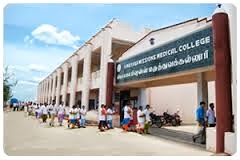
please send your papers to: The Librarian, Vinayaka Missions Medical College & Hospital, Kottucherry (po),Karaikal.
Tuesday, 8 May 2012
INTER-BATCH VOLLEYBALL TOURNAMENT
In our college Inter -Batch Volley Ball Tournament held at our College Campus. The winner is Scorpions 08-09 Batch.


Friday, 9 March 2012
Saturday, 4 February 2012
BASIC FOODS
BASIC FOODS
PROTEIN – HELPS BODY GROW AND REPAIR.
Protein is a nutrient that helps body grow and repair itself. It has other jobs too. Every part of your body that you see your skin, hair, eyes is made up of protein.
Protein helps your body grow, repairs work. Your body is made of cells. Every day billions of worn-out cells are replaced, and protein is needed to help make these new cells.
Protein also gives you energy. But that’s not its main job. Helping to build and repair your body cells is its major function.
Protein mostly food from animals and a few plant foods are good sources of protein. Nuts, peanut butter, dry beans, and seeds are all foods from plants and good sources of protein.
CARBOHYDRATES - PRIME SOURCE OF ENERGY
Carbohydrate is an excellent source of energy. The amount of energy food provides your body is measured in calories. Two kinds of carbohydrates provide energy - starch and sugar.
CARBOHYDRATES come from grain foods, fruits and vegetables and foods made from sugar.
FIBER is another kind of carbohydrate that you need to stay healthy. Fiber helps food move through your body during digestion. It comes from fruits, vegetables, nuts, dry beans and whole-grain breads and cereals.
FAT IS NUTRIENT - GIVES ENERGY
It provides calories, too. Fat gives more calories than an equal amount of carbohydrate would. As a nutrient, fat has other functions:
It adds flavor to food. It helps satisfy your hunger because fat stays I your stomach longer than other nutrients do. It promotes growth and health skin.
Fat come from foods such as butter, salad dressing, vegetable oil, and margarine. Other foods such as nuts, peanut butter, meat and cheese have some fat in them along with many other nutrients.
Fat is important, too much isn’t good. It can lead to weight problems and heart disease.
VITAMINES
Vitamins are nutrients that help your body do its work. Even though your body only needs tiny amounts of each vitamin, they are essential to life. The name “vitamin” comes from the Greek word for life, “Vita”!
Vitamins are named after the letters of the alphabet. Some important vitamins are Vitamin A, the B Vitamins, and Vitamin C.
Vitamin A helps you eyes adjust to the dark. It comes from dark-green, leafy vegetables and yellow fruits and vegetables.
B Vitamins are grouped together because their job are similar. They all help your body use energy from Carbohydrate, fat, and protein. These nutrients keep your body healthy in other ways, too. For example, they help keep your eyes, skin and hair healthy.
B Vitamins come from different foods.
NIACIN B Meat, dry beans, breads, cereals.
THIAMINE B1 Meat, dry beans, breads, cereals
RIBOFLAVIN B2 Milk and many foods from milk
Vitamin C helps the wound heal. Vitamin C keeps your gums healthy too. Vitamins C come from fruits, such as oranges, berries and melon. Some dark-green vegetables such as spinach have Vitamin C.
MINERALS – REGULATORS
Like Vitamins, minerals often act as regulators, used by the body in its many processes. There are 20 known minerals. By eating a variety of foods daily, you should get the minerals you need.
Calcium
It has two basic jobs. Ninety-nine percent of your body’s calcium is in your bones and teeth. The best source of calcium is dairy food. Some green leafy vegetables and fish eaten with their bones, such as sardines or canned salmon, have calcium too.
Iron
The nutrient iron becomes part of your blood. Iron helps carry the oxygen breathe muscles, brain, and infact, to every part of body. The best source of iron is liver. But iron also comes from meat, eggs, dry beans and some breads and cereals.
WATER - BODY
Water is a nutrient. You can’t live without it. In fact, water makes up about two thirds of body. For example, blood is mainly water. It carries nutrients to every part of body. It also helps keep body at just the right temperature.
Need of water every day to replace water lose. Lose water in sweat, breath and in urine. Milk, juice, and soup are mostly water. Know that lettuce, apples, bananas, and cooked beef are more than half water.
Wednesday, 1 February 2012
STORIES OF FOOD
STORIES OF FOOD:
The Hamburger, a typical American food, came from Hamburg, Germany, in the 1870’s. It was ground beefsteak. In 1904 at the St.Louis World’s Fair, hamburgers were first sold on buns.

Ice cream cones were invented at the 1904 St.Louis World’s Fair, too. An ice cream stand ran out of glass dishes. A Salesman has a smart idea.. He rolled thin wafers from a pastry stand into a cone. The cone become an Ice cream “dish”!.
Popcorn is an American India food. Hostory suggests that they brought it to the Pilgrims’ Thanksgiving feast in 1621.
Peanut butter was invented by an American doctor in 1890 for his patients. They needed a high-Protein food.
Raisins were first made as an accident! In 1873 the sun was very hot in
California. Juicy grapes dried up on the vines. One clever grower didn’t destroy the grapes. Instead he sold them as something special, “Peruvian delicacies”. And a new food was invented.
Coutesy : Fist Foods by Roberta Larson Duyff
FOODS WE EAT FROM OTHER COUNTRIES
| FOOD | PLACE | DESCRIPTION |
| Chicken Curry | India | Chicken dish made with special spices |
| Egg Roll | China | Egg and vegetables wrapped in a tin pancake and fried. |
| Fish and Chips | England | Fried fish and Fried Potatoes |
| Kiwi (KEE Wee) fruits | New Zealand | A fruit that’s green on the inside with a fuzzy brown peel |
| Lasanga (lahZAH nya) | Italy | Dish made with wide, flat noodles, meat, cheese, and tomato sauce |
| Okra (OH Krah) | Africa | A Green Vegetables |
| Paella (Peye AY yah) | Spapin | Dish made of fish, Chicken, meat, Vegetables and rice |
| Pita (PEE tah) Bread | Middle East | Flat, round bread with a pocket inside which is often stuffed with salad or meat. |
| Quiche (keesh) | France | Cheese and egg pie often made with vegetables, meat, or fish. |
| Sauerkraut (SOW er krowt) | Germany | Salted Cabbage prepared in a special way |
| Shish Kebabas (Shish KEH babz) | Middle East | Meat cut in cubes and cookd on a stick |
| Sushi (SOO Shee) | Japan | Raw fish and Rice |
| Tortilla (tor teeyah) | Mexico | Round, flat bread made from corn mean or wheat flout; used to make tacos, enchiladas, and burritos. |
Subscribe to:
Posts (Atom)